We crash-test physical AI.
On your buyer's real job.
Physical AI is the AI that runs robots. We test yours on your customer's real job: thousands of runs in simulation, then on a real robot. One page your buyer can trust.
NITH · Independent testing for physical AI
Success in the maker's own demo set.
No failure reasons · no method- Likely range
- 92–95 out of 100
- A person steps in
- 4 times an hour
- Time per item
- 9 s · a person: 6 s
- In bright light
- 71 out of 100
- Fails most on
- Shiny packets
- Likely range
- 92–95 out of 100
- A person steps in
- 4 times an hour
- Time per item
- 9 s · a person: 6 s
- In bright light
- 71 out of 100
- Fails most on
- Shiny packets
- Near misses with people
- 0
Every robot looks perfect in its demo.
Makers film their best take. This one took 47 tries.
Lights on.
Now the real test.
NITH is an independent test lab for physical AI, the software that decides how a robot moves. We test it on real jobs, not demos.
- The job
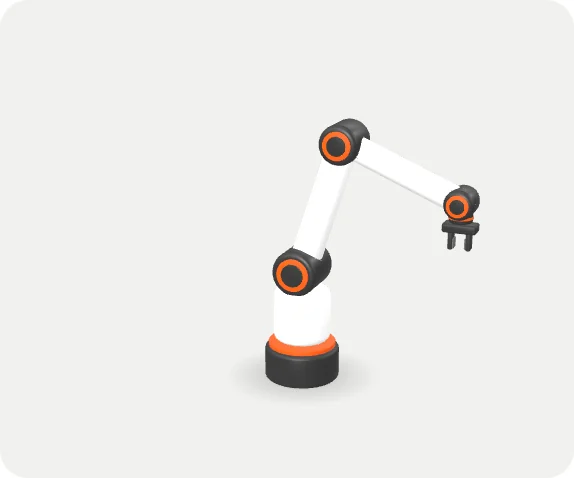
- A robot arm packs groceries into a crate.
- What went wrong
- A shiny wrapper fooled its camera. The packet slipped out of its grip.
- What we measure
- How often it gets each item right, and which items it fails on most.
On a real job, it slips.
- The job
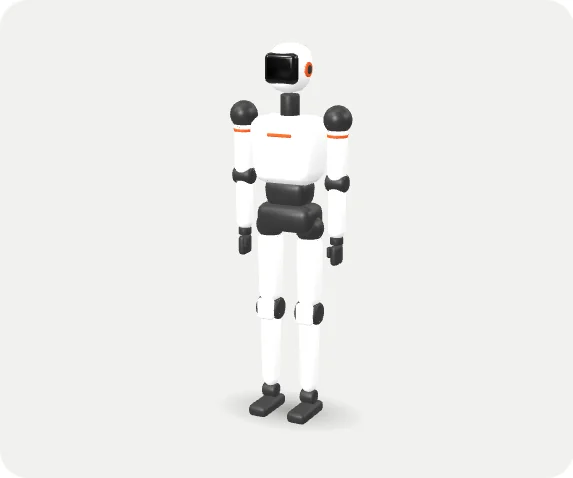
- A human-shaped robot carries boxes of parts across a factory.
- What went wrong
- A box was out of place. It froze, unsure what to do next.
- What we measure
- How often a person has to walk over and help. Here, 4 times an hour.
Someone has to step in.
- The job
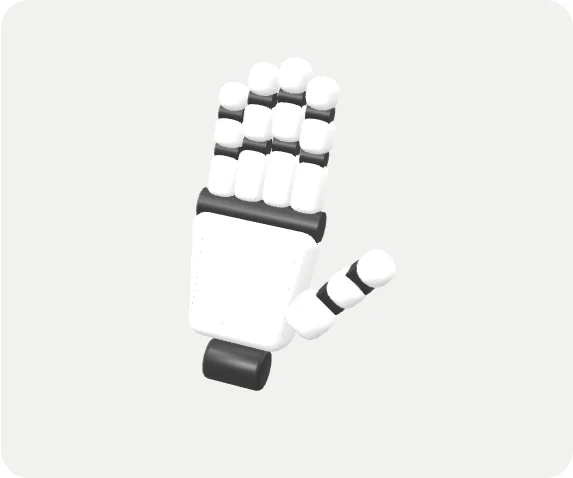
- A robot hand is told, in plain words: "Pick up the screwdriver."
- What went wrong
- It picked up the pliers. Physical AI often follows what it sees, not what it's told.
- What we measure
- How often it does what it was asked, even when the scene changes.
It didn't listen.
- The job
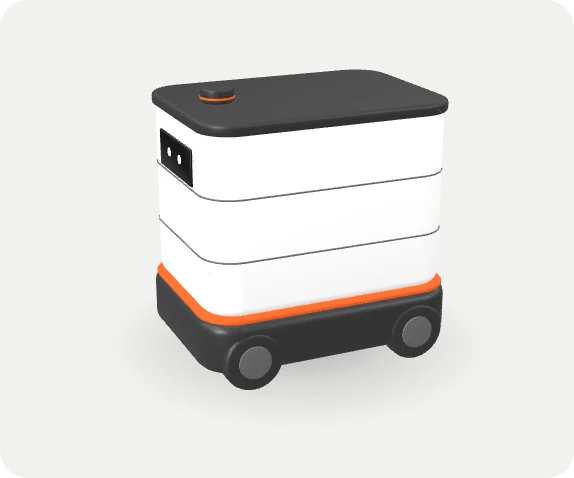
- A delivery robot carries medicine down a hospital corridor.
- What went wrong
- It didn't see a closed glass door, and drove straight into it.
- What we measure
- Every bump, and every close call with people.
It didn't see the glass.
The same job, thousands of times.
In a computer copy of the job, we change the light, the positions and the items. Then we repeat the key tests on a real robot.
Every failure has a clip.
Each mistake is recorded, so the maker can see exactly what went wrong.
Their claim, next to what we measured.
One page a buyer can trust.
Fix it. Then retest.
When the maker updates its physical AI, we test again, so the maker and its buyers can see what changed.
Got a sale waiting on proof?
Book a test call